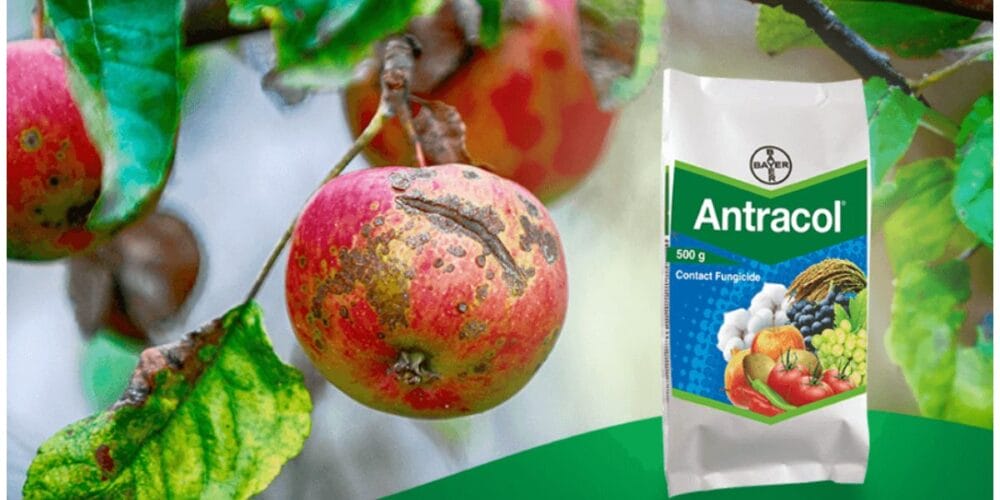
Introduction of Bayer Antracol Fungicide
Fungal diseases can drastically reduce crop health and yields, especially in India’s humid and monsoon-influenced climate. To help farmers protect their crops, Bayer Antracol Fungicide has become one of the most trusted multi-site protective fungicides. Known for its broad-spectrum action and high effectiveness, Antracol is widely used in vegetables, fruits and field crops.
In this detailed guide, we will discuss its technical name, dose per litre, dose per acre, benefits, target diseases, and how to use Antracol fungicide correctly for maximum results.
Table of Contents
What is Bayer Antracol Fungicide?
Antracol is a broad-spectrum contact fungicide manufactured by Bayer CropScience.
Its technical name is Propineb 70% WP.
It belongs to the dithiocarbamate group, known for multi-site activity. This means it attacks fungus at several points, reducing the chances of resistance development.


Antracol is especially effective against foliar fungal diseases like early blight, late blight, downy mildew, powdery mildew, leaf spots and fruit rot.
Key Features of Bayer Antracol Fungicide
- Multi-site activity: Difficult for fungi to develop resistance.
- Broad-spectrum: Works on a wide range of fungal diseases.
- Protective fungicide: Forms a protective layer on leaves.
- High-quality formulation: Ensures even coverage and good sticking ability.
- Better crop health: Rich in zinc, which improves leaf colour and plant vigour.
Dose of Bayer Antracol Fungicide
1. Dose per litre of water
- 2–2.5 grams per litre of water
This is the standard and widely recommended dose for most crops.
2. Dose per acre
- 400–600 grams per acre
(Depending on crop type and disease severity. For vegetables and fruits, 500–600 g/acre is ideal.)
Major Crops and Diseases Controlled by Antracol
1. Vegetables
- Tomato: Early blight, late blight, leaf spots
- Potato: Late blight
- Chilli: Leaf spot, dieback
- Onion & Garlic: Purple blotch, downy mildew
- Cucurbits: Downy mildew
2. Fruits
- Grapes: Downy mildew
- Mango: Anthracnose
- Citrus: Scab, greening-related fungal issues
- Banana: Leaf spot (Sigatoka)
3. Field Crops
- Paddy: Blast, brown leaf spot
- Wheat: Rusts
- Pea & Soybean: Leaf spots, downy mildew
Because of its multi-site mode of action, Antracol protects crops effectively throughout the vulnerable growth stages.
Also Read: Bayer Aliette Fungicide: A Complete Guide for Farmers
How to Use Bayer Antracol Fungicide
Using Antracol properly ensures maximum protection and better yield. Here is a complete, farmer-friendly application guide.
1. Prepare the Spray Solution
- Take a clean bucket or spray tank.
- Fill half the tank with clean water.
- Add 2–2.5 g of Antracol per litre of water.
- Mix thoroughly until fully dissolved.
- Add the remaining water to fill the tank.
- Mix again for a uniform spray solution.
Important: Always mix the product in water, never use dry powder directly on crops.
2. Time of Application
For best results:
- Apply as a preventive spray when weather conditions favour disease development (high humidity, cloudy weather, or after rains).
- Start application at early crop growth stages when the first symptoms appear.
- Repeat the spray every 7–10 days, depending on severity.
Preventive use ensures complete protection and reduces crop damage.
3. Method of Application
- Use a knapsack sprayer, battery sprayer, or power sprayer.
- Ensure uniform coverage on both upper and lower leaf surfaces.
- Maintain fine mist spray for better sticking and distribution.
Since Antracol is a contact fungicide, good coverage is crucial.
4. Compatibility
Antracol is generally compatible with many insecticides and fungicides except strong alkaline products.
If mixing with other pesticides:
- Always perform a jar test before tank mixing.
- Do not mix with copper-based products.
5. Safety Precautions
Wear gloves, mask and protective clothing.
Avoid smoking or eating while spraying.
Wash hands and equipment after use.
Store in a cool, dry place away from food and children.
Also Read: Bayer Nativo Fungicide: A Powerful Solution for Crop Protection
Benefits of Using Bayer Antracol Fungicide
1. Effective Disease Control
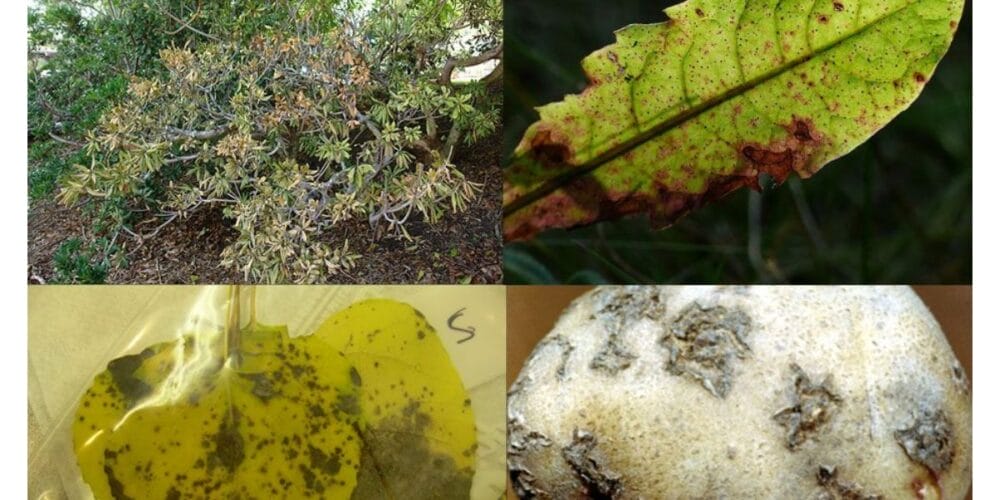
Controls major fungal diseases like blights, mildews and leaf spots, ensuring healthy foliage.
2. Multi-Site Mode of Action
Reduces chances of resistance and ensures long-term protection.
3. Promotes Plant Health
Being rich in zinc, it boosts leaf greenness and enhances photosynthesis.
4. Excellent Coverage
Propineb 70% WP formulation sticks well and provides uniform leaf protection.
5. Cost-Effective
Low dose and strong effectiveness make it economical for farmers.
Also Read: Bayer Acerbo Fungicide: A Powerful Shield for Healthier and More Productive Crops
Best Practices for Maximum Results
- Always spray in the early morning or late afternoon.
- Avoid spraying during strong sunlight or rainfall.
- Do not reduce the recommended dose.
- Maintain a 7-day interval during severe disease pressure.
- Rotate with systemic fungicides like metalaxyl, azoxystrobin, or cymoxanil for enhanced protection.
Conclusion
Bayer Antracol Fungicide (Propineb 70% WP) is one of the most reliable broad-spectrum fungicides for farmers. With its multi-site action, zinc-rich formulation, and excellent preventive protection, it ensures healthier crops and higher yields. Whether you grow tomatoes, potatoes, grapes, chillies or mangoes, Antracol provides strong and long-lasting protection against fungal diseases.
Using the right dose per litre (2–2.5 g), dose per acre (400–600 g), and following the recommended spraying schedule will help you achieve the best results.
For farmers looking for an effective, economical and trustworthy solution, Bayer Antracol is an excellent choice.
Also Read: About Antracol Fungicide on the BAYER Site
Bayer Antracol Fungicide Review
Product Cost
Compatibility
Availability
Aggregate Customer Score
Overall Rating: Excellent